How Wildfire Embers Affect Roofing Materials: 5 Risks Spokane Homeowners Should Know

Book a Free Estimate

Wildfires do not have to reach your property for your roof to be at risk. Wind-driven embers can travel well beyond the active fire area, landing on homes and collecting in gutters, roof valleys, vents, and other small openings.Understanding how wildfire embers affect roofing materials can help Spokane homeowners identify vulnerable areas and take practical steps to reduce the chance of an ember-related roof or attic fire.

Book a Free Roof Evaluation

How Ember Exposure Can Put a Roof at Risk

During a wildfire, burning pieces of vegetation, branches, and other material can become airborne. Wind may carry these embers considerable distances before they eventually settle.
Once they reach a home, several things can happen:

  • Embers travel ahead of the fire. Wind can carry small burning particles far beyond visible flames.
  • They gather in protected areas. Gutters, valleys, roof-to-wall intersections, vents, and openings beneath roofing materials can trap embers.
  • They may continue smoldering. An ember buried in leaves or pine needles can produce concentrated heat without immediately creating an obvious flame.
  • Nearby combustible material can ignite. Dry vegetation, accumulated roof debris, exposed wood, and deteriorated roofing materials provide potential fuel.
  • They can reach areas beneath the roof covering. Open vents and gaps can allow embers to bypass otherwise fire-resistant roofing materials.

This is one reason wildfire preparation should focus on the entire roofing system rather than the visible roof covering alone.
Homes throughout Spokane and the surrounding Spokane County communities can face increased seasonal exposure because of dry summer conditions, vegetation, and periods of strong wind.
Why Wind-Blown Embers Are Such an Important Wildfire Concern

It is easy to picture wildfire damage as flames physically reaching a house. In many wildfire events, however, airborne embers can threaten structures before the main fire reaches the immediate area.
Small pieces of burning vegetation can be lifted by rising heat and transported by wind. When they eventually land, they may encounter dry leaves, pine needles, wood, or openings that allow them to enter the structure.
This helps explain why individual homes can ignite even when nearby vegetation has not been consumed by flames.
Several conditions common to Spokane can contribute to the problem.

Residential house

Trees and Vegetation

Nearby trees and vegetation can produce airborne embers during a wildfire while also depositing needles, leaves, and twigs on your roof. This accumulated debris can provide fuel when wind-driven embers reach your home.

Hot, Dry Summers

Extended heat and low humidity can dry out vegetation, leaves, pine needles, and other organic debris around your home. When this material collects on a roof or in gutters, it can become fuel for wind-driven embers.

Seasonal Wind

Strong seasonal winds can carry wildfire embers considerable distances and push them toward roofs, vents, and other openings. Wind can also concentrate dry debris in valleys and corners, creating areas where hot embers may become trapped.

How Different Roofing Materials Respond to Ember Exposure

No roofing system is completely maintenance-free when wildfire conditions occur. However, the type of roof covering and the way the complete roofing assembly is installed can make a significant difference.

Asphalt Shingles

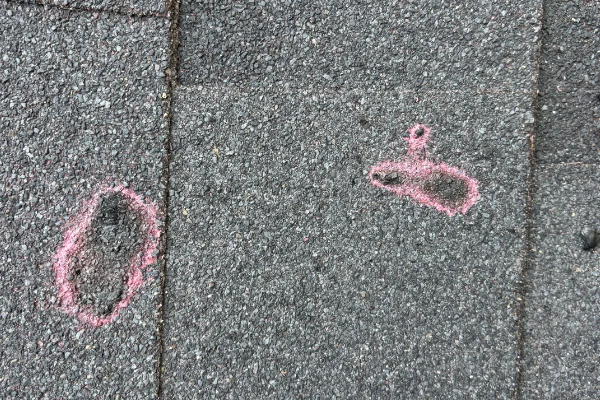
Fiberglass asphalt shingles are widely used on residential homes. Newer shingles generally have a protective mineral-granule surface that helps shield the asphalt layer beneath. As shingles age, some of those granules can loosen and disappear. Cracking, curling, exposed edges, and other deterioration may also develop. These changes do not automatically mean an ember will ignite the roof, but deterioration can reduce the protection provided by the original roofing system. Accumulated combustible debris creates an additional concern because it can hold heat against the shingles for an extended period.

Wood Shakes and Shingles

Wood roofing requires particular attention in wildfire-prone areas because the roofing material itself may be combustible. Weathered shakes often have rough surfaces and numerous gaps where small embers can settle. Dry wood and debris trapped between shakes can increase the opportunity for ignition. Some wood roofing products use fire-retardant treatments or specialized assemblies to improve fire performance. Those systems still need to be maintained according to their manufacturer's requirements because exposure to weather and age can affect their condition.

Clay and Concrete Tile

Clay and concrete roofing materials are non-combustible, making the tiles themselves highly resistant to ignition. The potential weakness is often underneath them. Tile profiles can create openings at eaves, ridges, and other locations. If those openings are not properly protected, embers may enter beneath the tiles and reach combustible debris, underlayment, or portions of the roof structure. For tile roofs, ember protection therefore depends heavily on proper installation and closing vulnerable openings.

Metal Roofing

Metal is another strong option for homes in areas where wildfire resistance is a priority. It does not provide combustible fuel for an ember, and its relatively smooth surface can make it difficult for loose embers to remain in place. However, the metal panels are only one component of the roof. Underlayment, decking, flashing, penetrations, and installation details all influence the performance of the complete roofing system.

Understanding Class A Roofing

A Class A fire rating represents the highest level of fire resistance under applicable roof-covering fire tests. However, homeowners should understand whether that rating applies to the roofing product itself or to a complete roofing assembly.
Some roofing products naturally provide strong fire resistance. Other systems achieve their rating only when installed with specific underlayments, decking, barriers, or other components.
In other words, choosing a fire-resistant product is important, but proper installation of the entire system matters just as much.

Get Emergency Roof Help
Shingles damaged from storm

Roof Areas Where Embers Commonly Become a Problem

A roof does not have to ignite directly on its broad, open surface to experience wildfire damage.
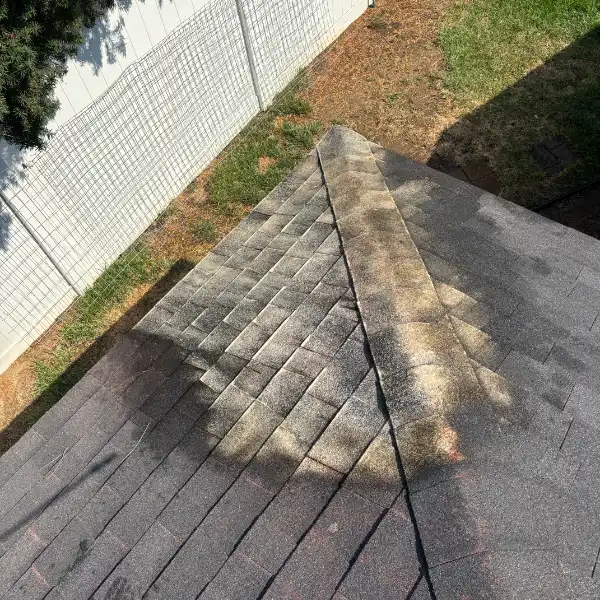
Wind tends to move lightweight material toward edges, corners, valleys, and other protected areas. Unfortunately, those same locations often contain leaves, needles, twigs, or other combustible material.
Existing roof damage can make these areas even more vulnerable, which is why routine inspections and timely repairs can play an important role in preparing a home for wildfire season.

  • Gutters & Roof Valleys: Debris collects easily, giving embers dry material to ignite or smolder in.
  • Attic & Soffit Vents: Open vents can allow airborne embers to enter the attic and reach combustible materials.
  • Openings Beneath Tile: Gaps around tile roofing can let embers reach debris, underlayment, or other materials beneath the roof.
  • Roof-to-Wall Intersections: Corners around walls, chimneys, and dormers can trap embers and combustible debris.

This is one reason wildfire preparation should focus on the entire roofing system rather than the visible roof covering alone.
Homes throughout Spokane and the surrounding Spokane County communities can face increased seasonal exposure because of dry summer conditions, vegetation, and periods of strong wind.
The Hidden Risk of Smoldering Debris

One of the more difficult aspects of ember exposure is that ignition may not be immediate.
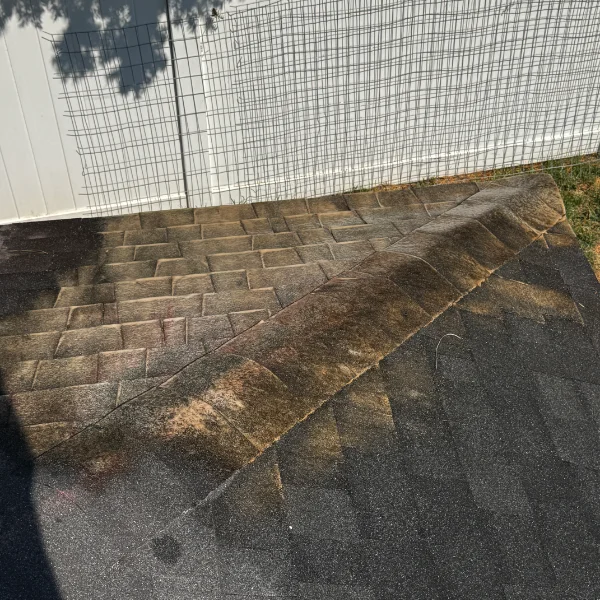
Imagine an ember settling deep inside a pile of dry pine needles in a gutter or valley. The surrounding material can allow the ember to continue producing heat while remaining difficult to see from the ground.
Over time, that heat can ignite the surrounding debris and expose nearby roofing components to flame.This is why routine roof inspections and debris removal are particularly important before and during wildfire season.
Homeowners should watch for missing or damaged shingles, deteriorated flashing, exposed roof edges, clogged gutters, accumulated debris, and openings around roof penetrations or vents.

Shingles damaged from storm

Frequently Asked Questions About Wildfire Embers and Roofing

Can an ember continue smoldering without producing visible flames?

Yes. An ember that becomes buried in dry leaves, pine needles, or other combustible debris may continue producing heat before an obvious flame develops.
That is one reason homeowners should not assume their roof is safe simply because they cannot see flames. Keeping potential fuel sources off the roof is an important part of wildfire preparation.

Does a Class A roof eliminate the risk from wildfire embers?

No roofing classification makes a home completely immune to wildfire.
A Class A roofing system provides a high level of resistance to external fire exposure, but embers can still ignite combustible debris or enter through vulnerable openings elsewhere in the structure.
The roof covering, vents, flashing, gutters, underlayment, maintenance, and surrounding vegetation all contribute to the home's overall level of protection.

Why do gutters and valleys need so much attention?

Their shape makes them natural collection points.
Leaves and needles carried by wind or falling from nearby trees frequently settle in gutters and valleys. If embers later land in these same locations, they may encounter exactly the type of dry combustible material needed for ignition.
Keeping these areas clean removes that fuel source.

Prepare Your Spokane Roof Before Wildfire Season

Your roof plays an important role in protecting your home when wildfire conditions develop, but effective protection involves more than choosing a particular type of shingle or roofing material.
Reducing ember risk means looking at the entire system: the roof covering, vents, gutters, valleys, flashing, underlayment, openings, nearby vegetation, and overall condition of the roof.
Restoration Roofing helps homeowners throughout Spokane and the surrounding Spokane area protect and maintain their roofing systems. Our team understands the conditions local roofs face and can help identify areas that may need maintenance, repair, or additional attention following wildfire and ember exposure.
If wildfire activity or airborne embers have affected your area, you do not have to wait until you notice an obvious leak or visible roof damage. Restoration Roofing can evaluate the condition of your roof, document visible concerns, and help you understand what may need attention.
Contact Restoration Roofing today to schedule a professional roof evaluation and make sure your home is prepared for the conditions ahead.

What Spokane is Saying

Our roofers have served Spokane, Washington and the surrounding areas since 2020.
Here’s what some of our customers have said!

Above and beyond

Rick was very nice and professional. His guys went above and beyond, fixing anything that needed attention on our roof, and performed quality work that makes me recommend them to everyone I know. We called him and got service the same day!

Great experience

I’m not one for posting comments and reviews, but this company deserves that. It was a great experience working with them, from beginning to end. Rick, Brandon, and Gabe. All extremely professional, thorough, and knowledgeable.

Easy to work with, honest, and fair

Very fast to quote and work. Repaired my roof after wind damage and you can't even see the patch they matched a 20 year old roof so well. Easy to work with, honest, and fair prices.

Fire Damage Restoration Service Areas

Financing Your Fire Roof Restoration

We offer home improvement financing options through Wisetack, Enhancify, or Advancial that may be able to help out with roof restoration costs. Contact us to learn more about roof improvement financing options.

Licensed & Insured.
State of Washington (US), General Contractor License: SPOKARM782LZ
State of Idaho (US), General Contractor License: 3561572

© Copyright Restoration Roofing 2025

Marketing by DKLC

Contact Us